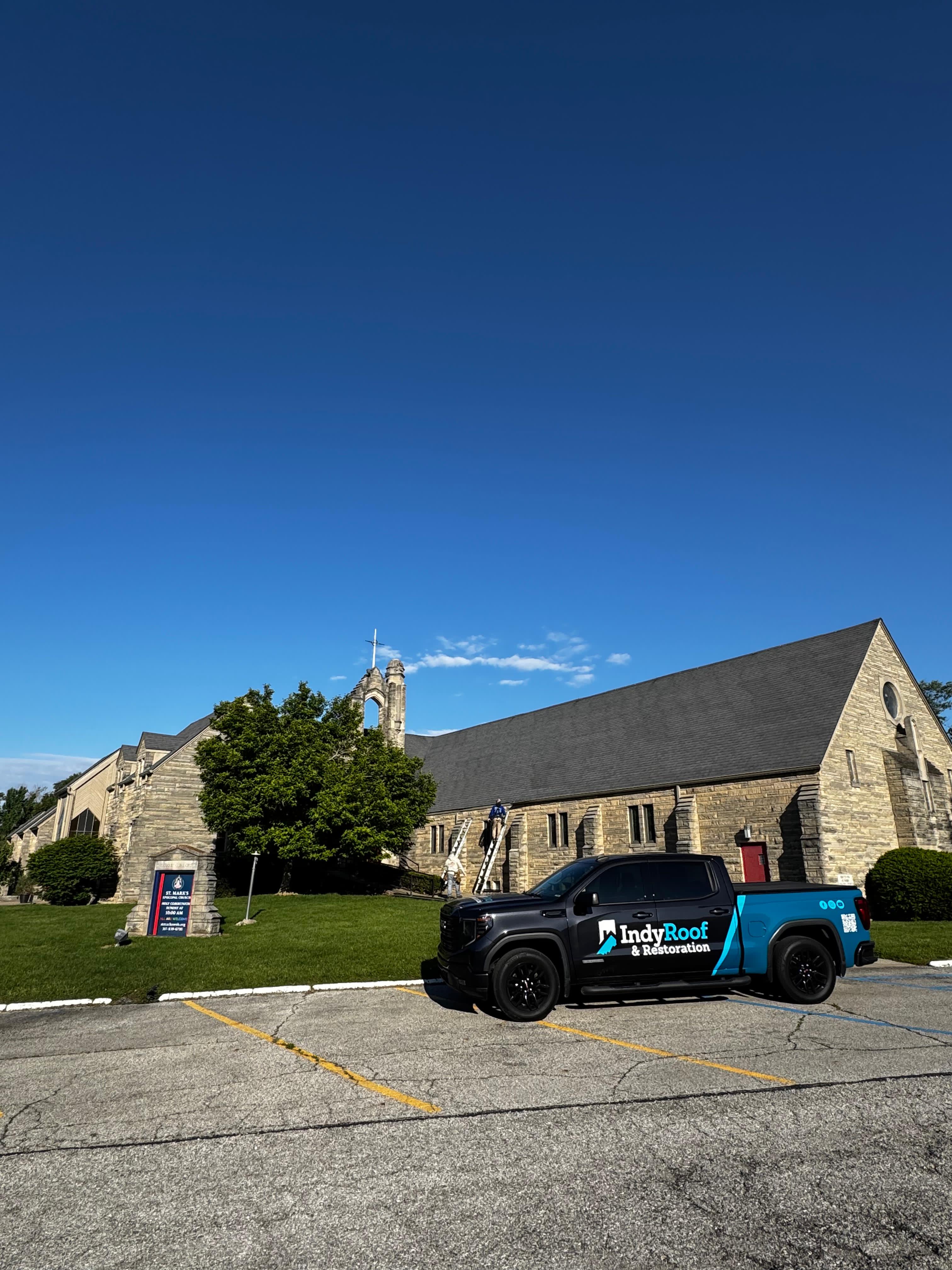
A Complete Guide to Winter Roof Repair
Winter roof repair raises understandable questions, and knowing the facts puts a Summit Lakes homeowner in control when a cold weather roof problem arises. This guide covers whether winter repair is possible, how cold affects materials and sealing, the snow and ice safety considerations, emergency winter repairs, ice dams, and when to repair versus wait. The recurring theme is that roofs can be repaired in winter with proper technique and care, so a serious problem need not wait for spring, but the cold introduces real considerations best handled by a professional. Understanding these helps you decide how to act when winter tests your roof.
Winter Roofing Factors at a Glance
The table below pairs the main winter roofing factors with what each means for a repair. Treat it as a quick reference for understanding cold weather work, since recognizing each factor clarifies why winter repairs are done as they are. The recurring theme is that the cold introduces considerations, brittleness, sealing, safety, that proper technique addresses, so winter repair is feasible but calls for care and professional handling.
| Winter Factor | What It Means |
|---|---|
| Cold shingles | More brittle, need careful handling |
| Sealing in cold | May need hand sealing with adhesive |
| Snow and ice | Must be cleared first, raises safety risk |
| Ice dams | A common winter cause of leaks |
| Urgency | Leaks now, cosmetic work can wait |
Why Winter Repair Works
Winter repair works because the fundamental work of fixing a roof does not require warm weather, only proper technique adapted to the cold. Roofers handle brittle shingles carefully, hand seal them to secure them, and take safety precautions for snow and ice. For a Summit Lakes homeowner, this means an urgent winter roof problem can be addressed rather than deferred for months. The cold introduces challenges, but none that make repair impossible, and the adaptations are well understood by experienced roofers. The misconception that roofing is strictly warm weather work overlooks how readily professionals work through winter. Understanding that winter repair is genuinely feasible, with the right methods, explains why you can and often should address a serious roof problem promptly even in the coldest months rather than risk the damage of waiting.
Snow, Ice, and Safety
Snow, ice, and safety are central to winter roofing. Snow and ice in the work area generally must be cleared first so the roofer can access and work on a clear surface, and they make the roof slippery and the work more hazardous. For a Summit Lakes homeowner, this is a major reason winter roof work is best left to professionals, who can clear the roof safely without damaging shingles and who have the equipment and experience to work in these conditions. Attempting a do it yourself winter repair is especially dangerous given the slippery surfaces and risk of a serious fall. The cold adds further difficulty. Understanding that snow and ice must be managed and that they raise the safety stakes reinforces why professional handling is the responsible choice for cold weather roof repairs.
Ice Dams and Winter Leaks
Ice dams are a common cause of winter leaks and a frequent reason for cold weather roof work. An ice dam forms when heat escaping the roof melts snow, which runs down and refreezes at the colder eaves, building a ridge of ice that backs water up under the shingles and into the home. For a Summit Lakes homeowner, ice dams can cause leaks in winter without rain, making them a distinctly cold weather problem. Addressing an ice dam leak may involve carefully removing the ice and addressing the underlying insulation and ventilation that cause uneven roof warming. Understanding ice dams explains why some winter leaks occur and why they need attention in the season. Preventing them through proper insulation and ventilation, and addressing them when they form, is part of managing a roof through winter.
Temperature and Materials
Temperature affects roofing materials, especially asphalt shingles, which become more brittle and less flexible in the cold and are more prone to cracking if mishandled. For a Summit Lakes homeowner, this is a genuine factor distinguishing winter work, since the same handling used in warm weather could damage cold shingles. Experienced roofers account for this by handling shingles carefully, sometimes warming them, to avoid cracking. The existing shingles on the roof are also more fragile in extreme cold, reinforcing the need for careful work. The brittleness is manageable with proper technique but means winter repairs demand a knowledgeable approach. Understanding how cold affects the materials clarifies why winter work is done differently and why the expertise to handle cold materials properly is important for a quality result that does not damage the shingles.
Repair vs Wait
Deciding whether to repair now or wait for warmer weather comes down to urgency and risk. Urgent problems, active leaks, missing shingles, storm damage, warrant prompt winter repair, since waiting risks water damage. Non urgent issues, minor or cosmetic matters not letting water in, or a planned replacement that is not time sensitive, can often wait for milder conditions, when the work is easier and shingles seal naturally. For a Summit Lakes homeowner, the deciding factor is whether delaying would allow damage or worsening. A professional assessment can clarify the urgency when it is not obvious. Understanding this framework, urgent problems now and non urgent ones potentially later, helps you time a roof repair sensibly, neither rushing non urgent work into harsh conditions nor dangerously postponing a fix the roof genuinely needs.
The Sealing Consideration
How shingles seal is a specific winter consideration. Asphalt shingles have an adhesive strip that usually relies on the sun's warmth to activate, so in cold weather it may not seal right away, leaving newly installed shingles unsealed until temperatures rise. For a Summit Lakes homeowner, this matters because unsealed shingles are more vulnerable to wind until they bond. The solution is hand sealing, where the roofer applies roofing adhesive to bond the shingles immediately rather than waiting for warmth. This is standard cold weather technique. Understanding the sealing consideration explains why winter installations may involve hand sealing and why having the work done by a professional who takes this step ensures the shingles are properly secured rather than left exposed to wind through the rest of the cold season.
Emergency Winter Repairs
Emergency winter repairs address urgent problems that cannot wait, such as active leaks, missing shingles, or storm damage. These warrant prompt attention even in the cold, since leaving them risks water damage and worsening through the winter. For a Summit Lakes homeowner, an urgent winter roof problem should be treated as the emergency it is, with a professional addressing it promptly, sometimes via a temporary measure first if conditions are severe. Many roofers handle winter emergencies and can respond when a serious problem arises. A genuinely failing or exposed roof cannot reasonably be left for months. Understanding that emergency winter repairs are both possible and necessary for urgent problems helps you act appropriately when a serious roof issue develops in the cold, getting it addressed rather than letting it cause ongoing damage.
Bringing It Together
Handling a roof in winter comes down to addressing urgent problems promptly, deferring non urgent work sensibly, and relying on proper cold weather technique and professional help. Winter roof repair is feasible, with adaptations for brittle shingles, sealing, and snow and ice safety, so a serious problem need not wait helplessly for spring. For a Summit Lakes homeowner, understanding these considerations helps you make good decisions when a roof issue arises in the cold. Summit Lakes Roofing repairs roofs for Summit Lakes homeowners year round, including through winter, with the experience to handle the season's conditions. Call (765) 703-7901 when a winter roof problem needs attention, and we will help you protect your home properly, whatever the weather.
Preventing Winter Roof Problems
Preventing winter roof problems comes down to preparation and maintenance. Having the roof inspected and any weaknesses addressed before winter, ensuring proper attic insulation and ventilation to prevent ice dams, and keeping up with issues as they arise all reduce the chance of winter leaks and damage. For a Summit Lakes homeowner, proactive care is far better than reacting to a winter failure, since many winter problems, like ice dams, stem from conditions that can be addressed in advance. Preparing the roof before the cold arrives makes it more resilient, though no roof is immune to a severe enough winter. Understanding that winter roof damage can be largely prevented through preparation helps you protect your home before the season's conditions test the roof, limiting the need for cold weather repairs.